Social Emotional Learning
Welcome toEmotions World!
A place where every feeling has a name — and every name is welcome.

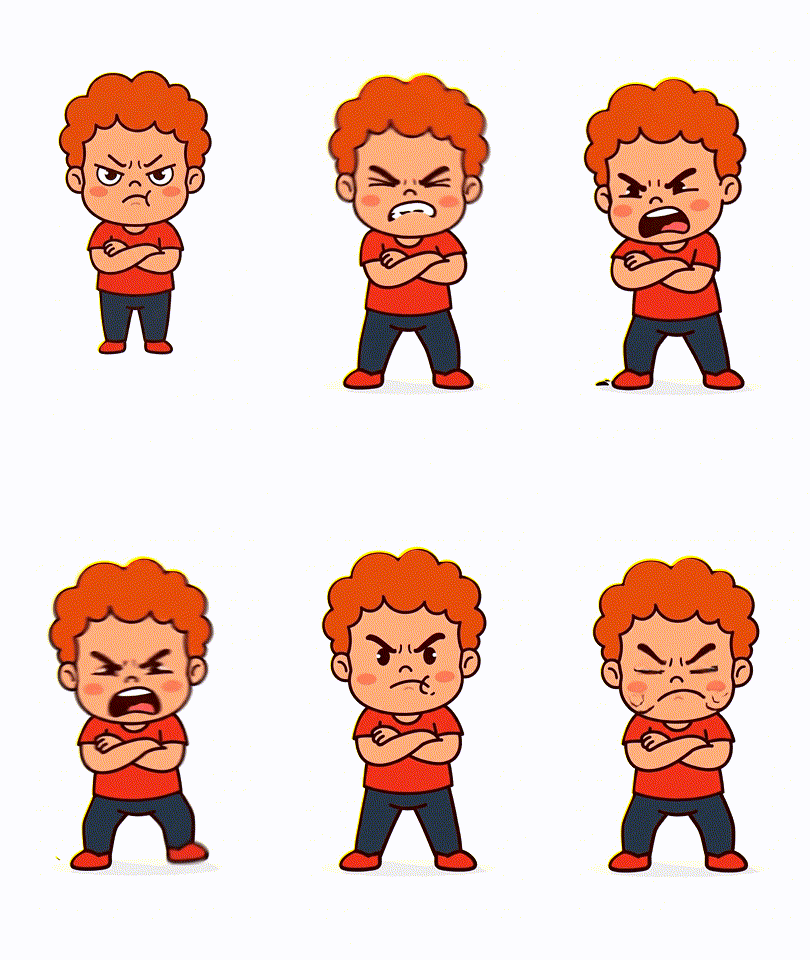
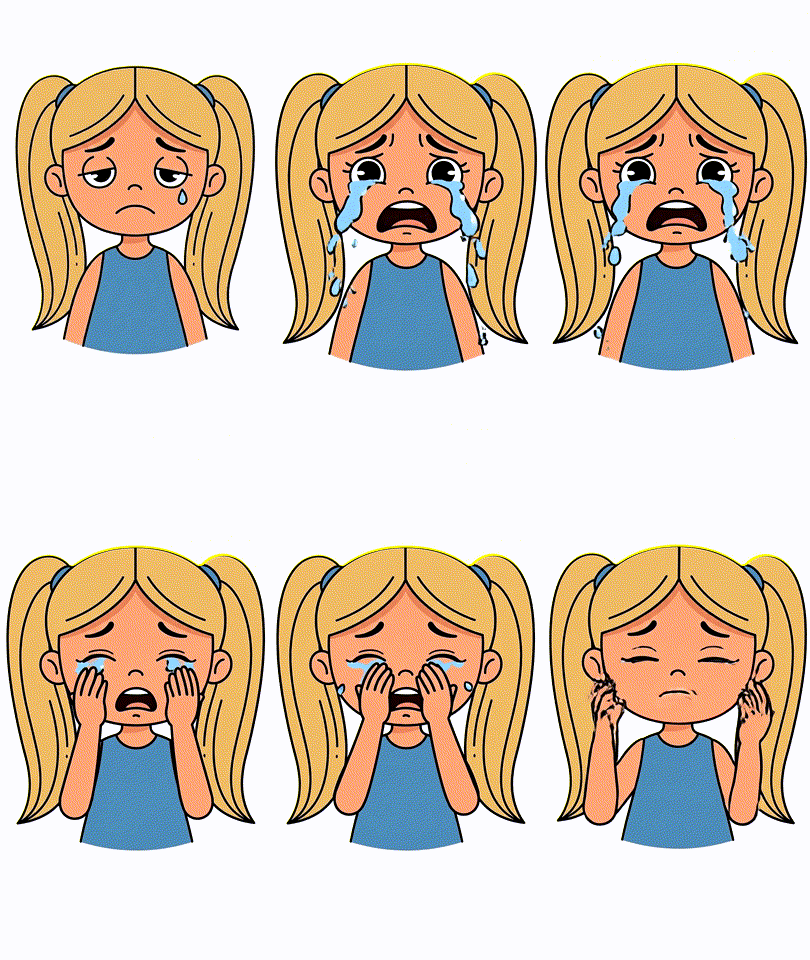
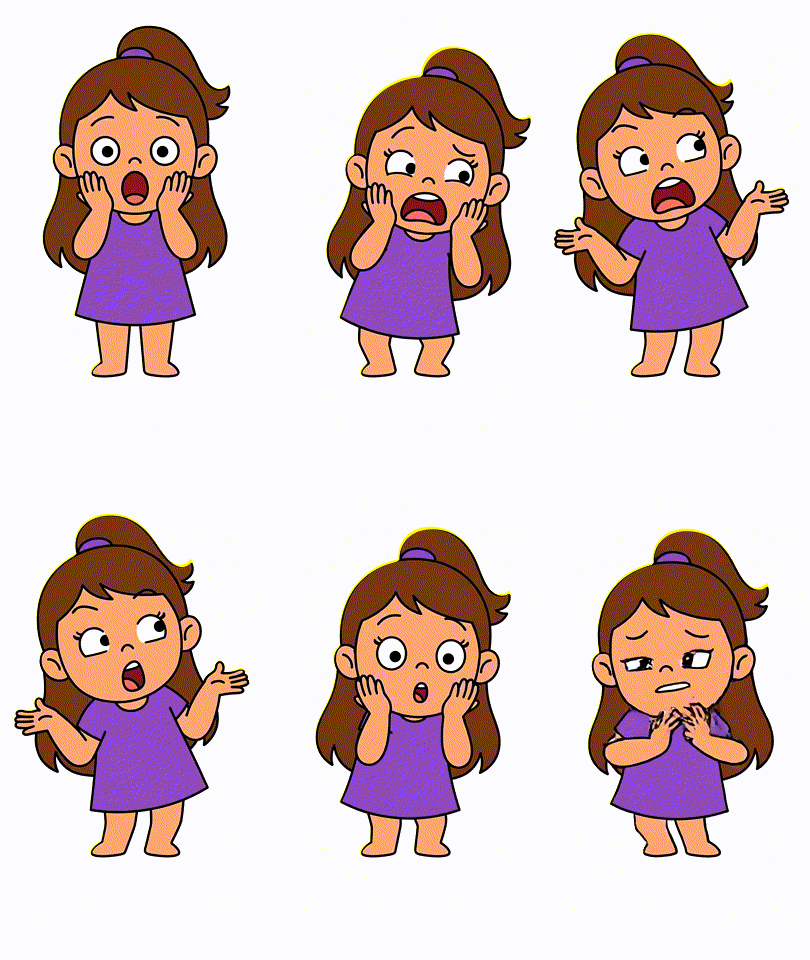
Emotions Coloring Pages
View All →More coloring pages coming soon — check back!
Emotions Flashcards
View All →More flashcards coming soon — check back!
Emotions Worksheets
View All →More worksheets coming soon — check back!
Emotions Posters
View All →More posters coming soon — check back!
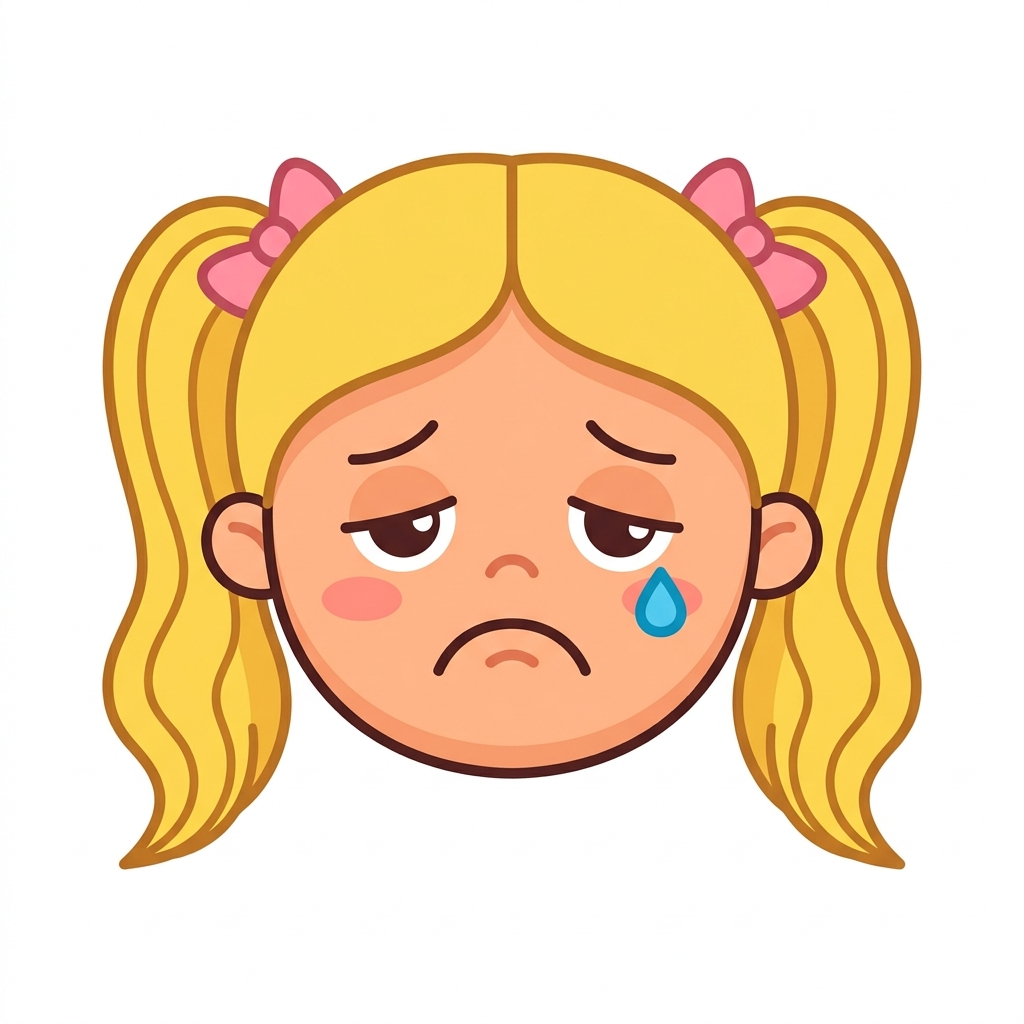
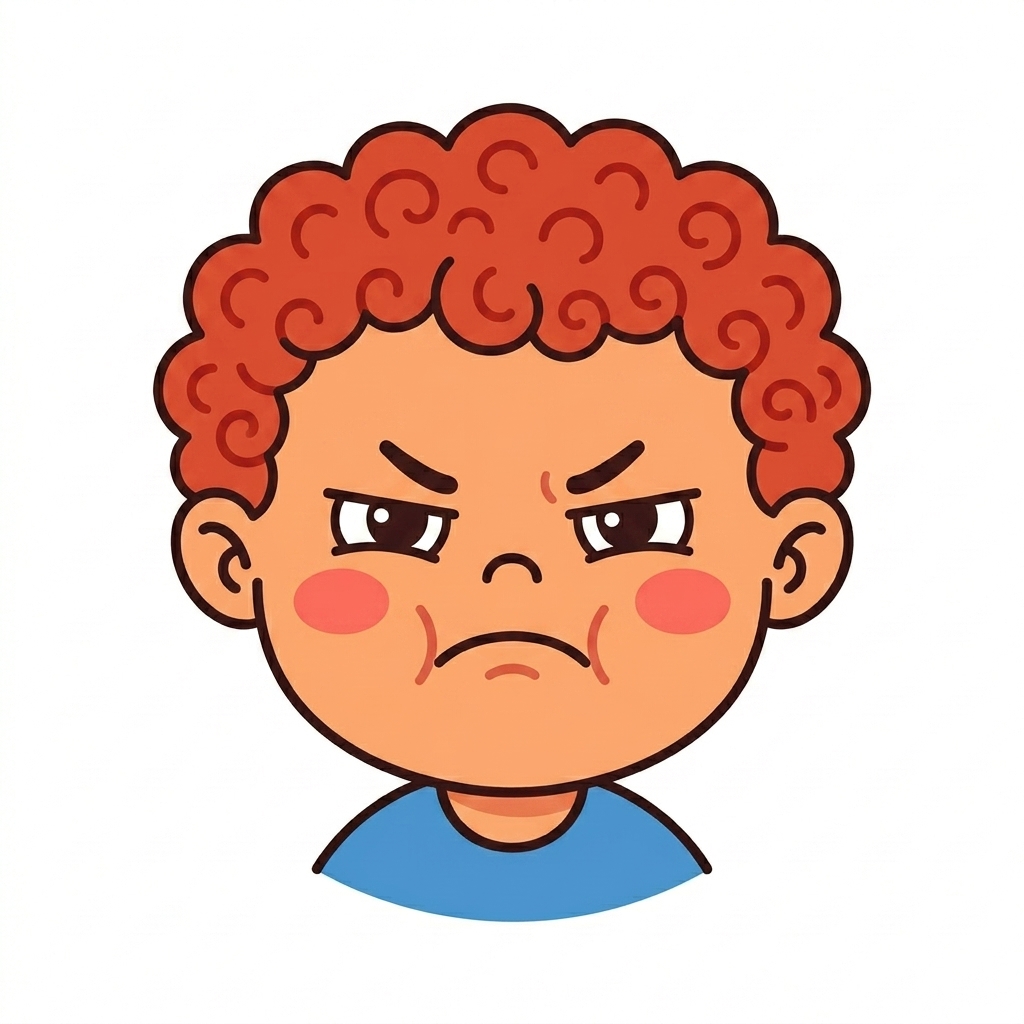
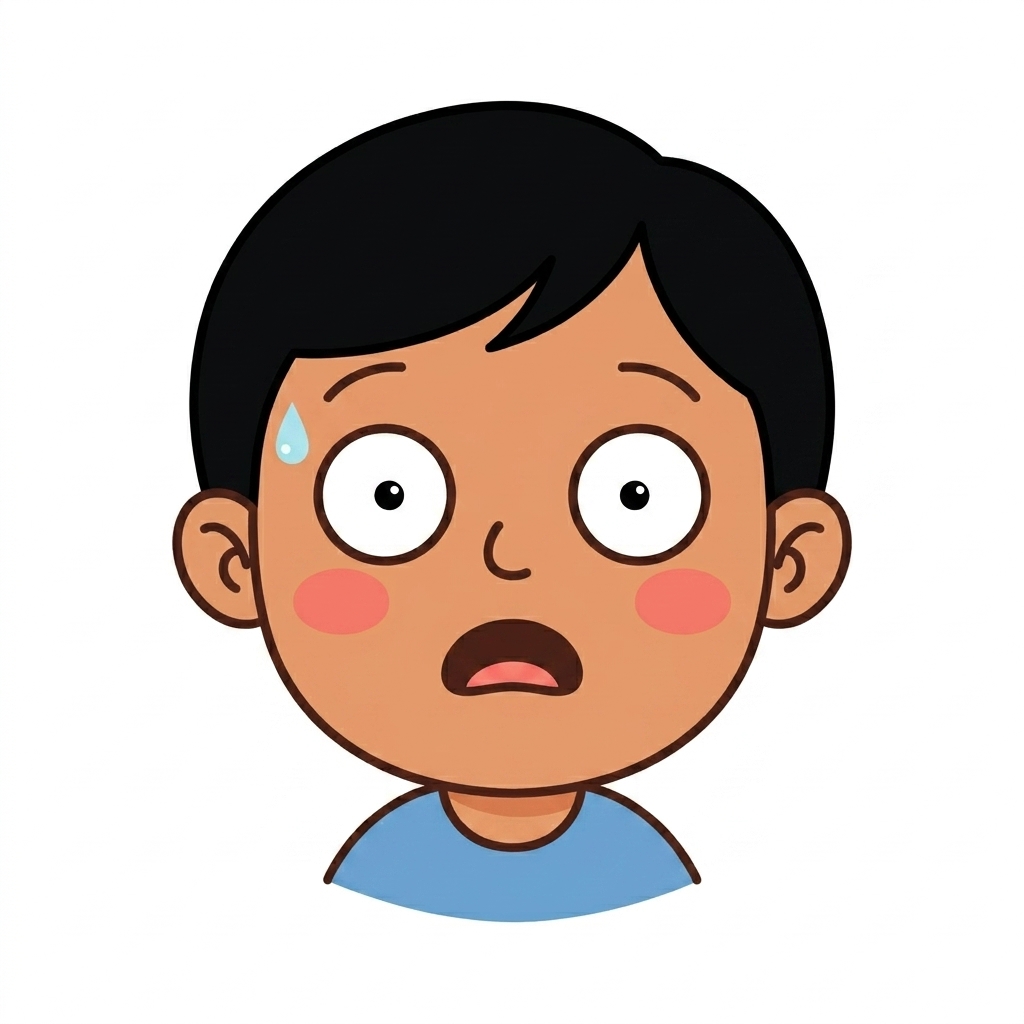
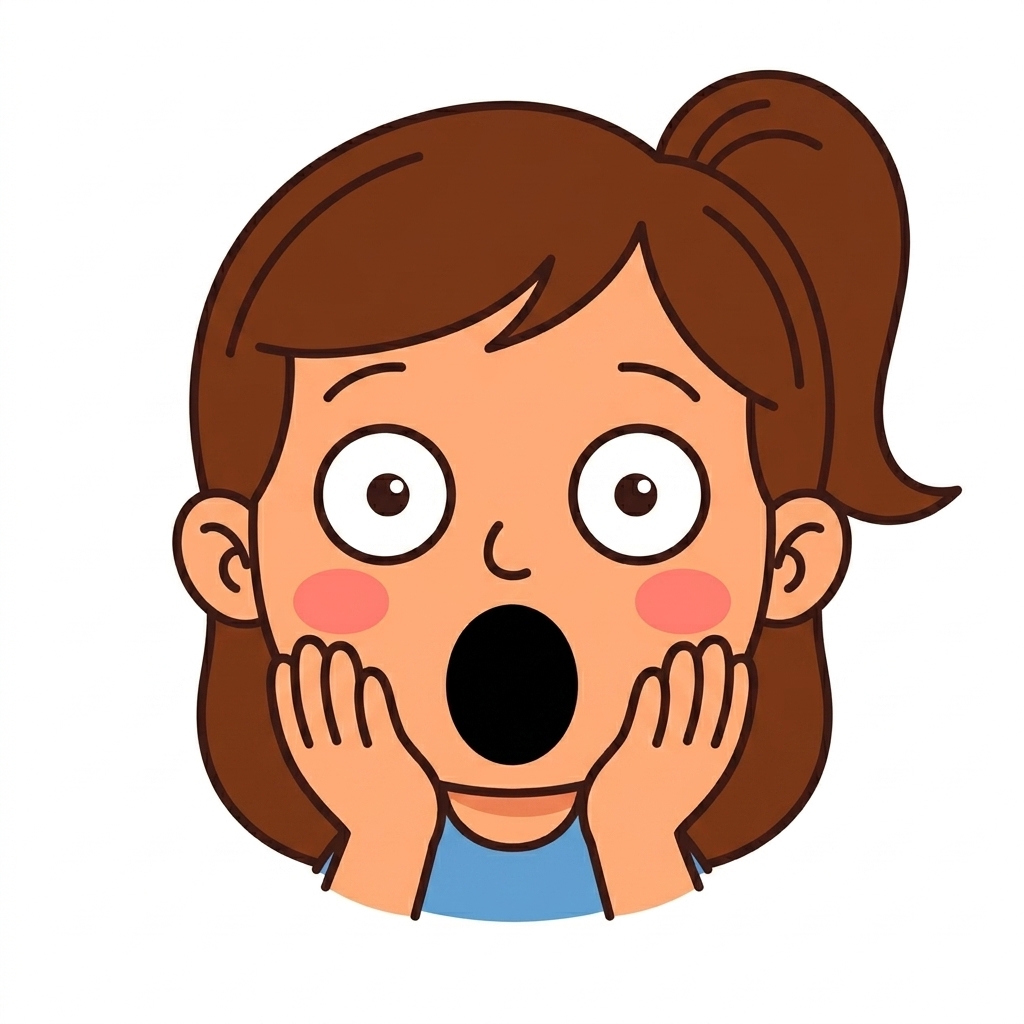
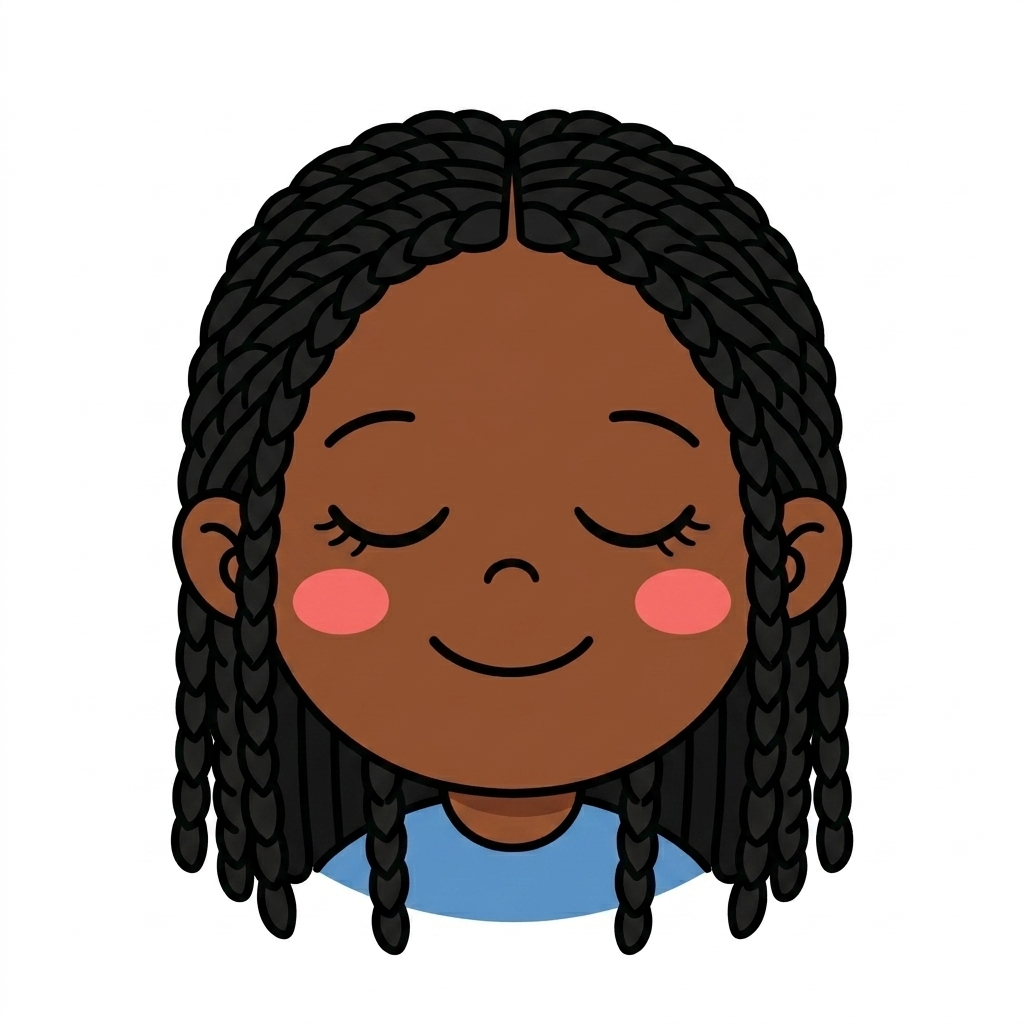
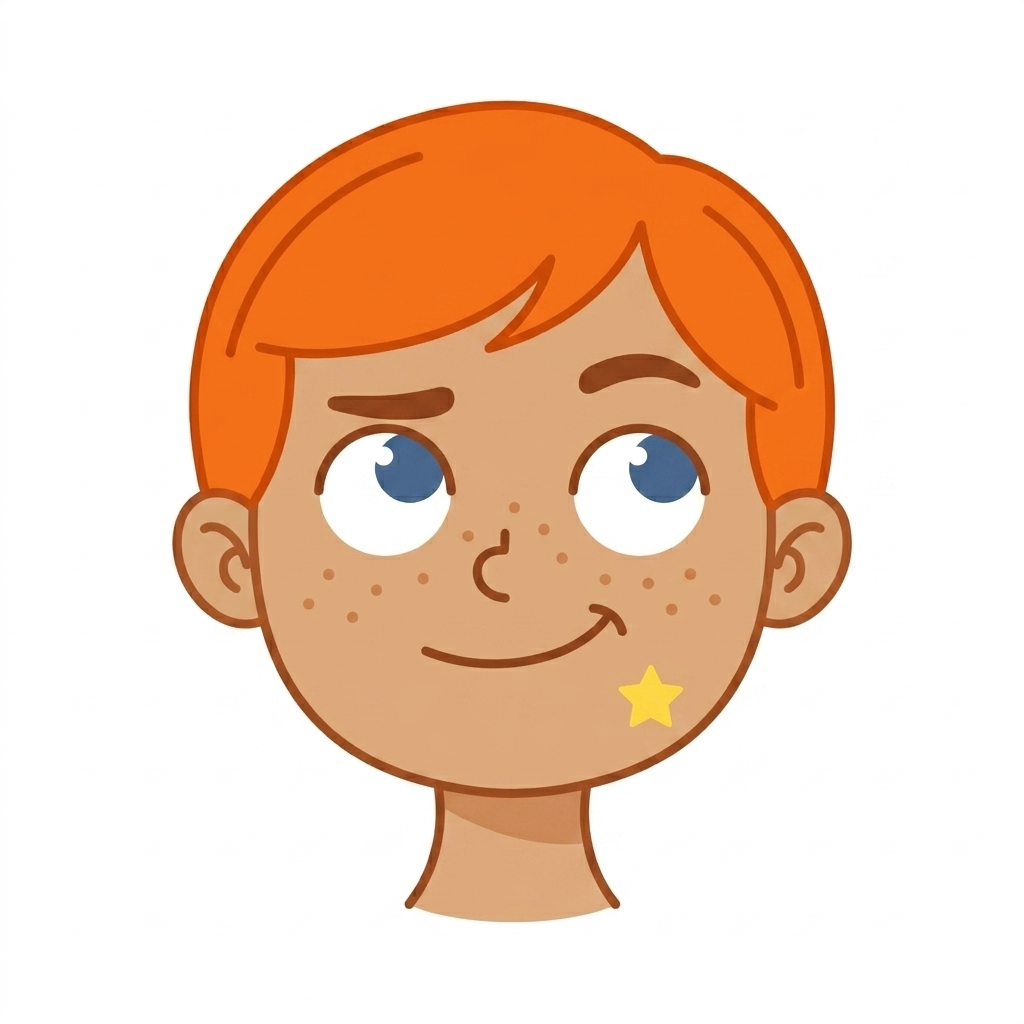
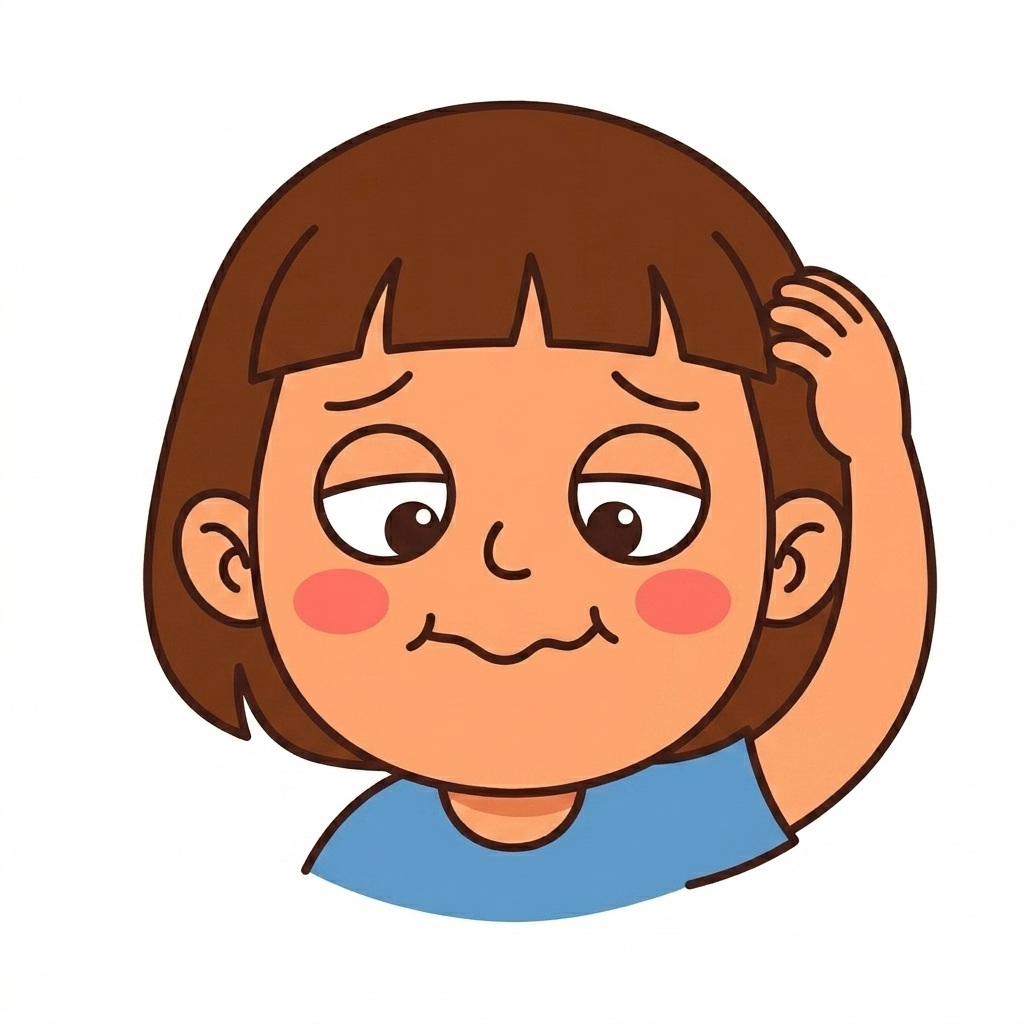
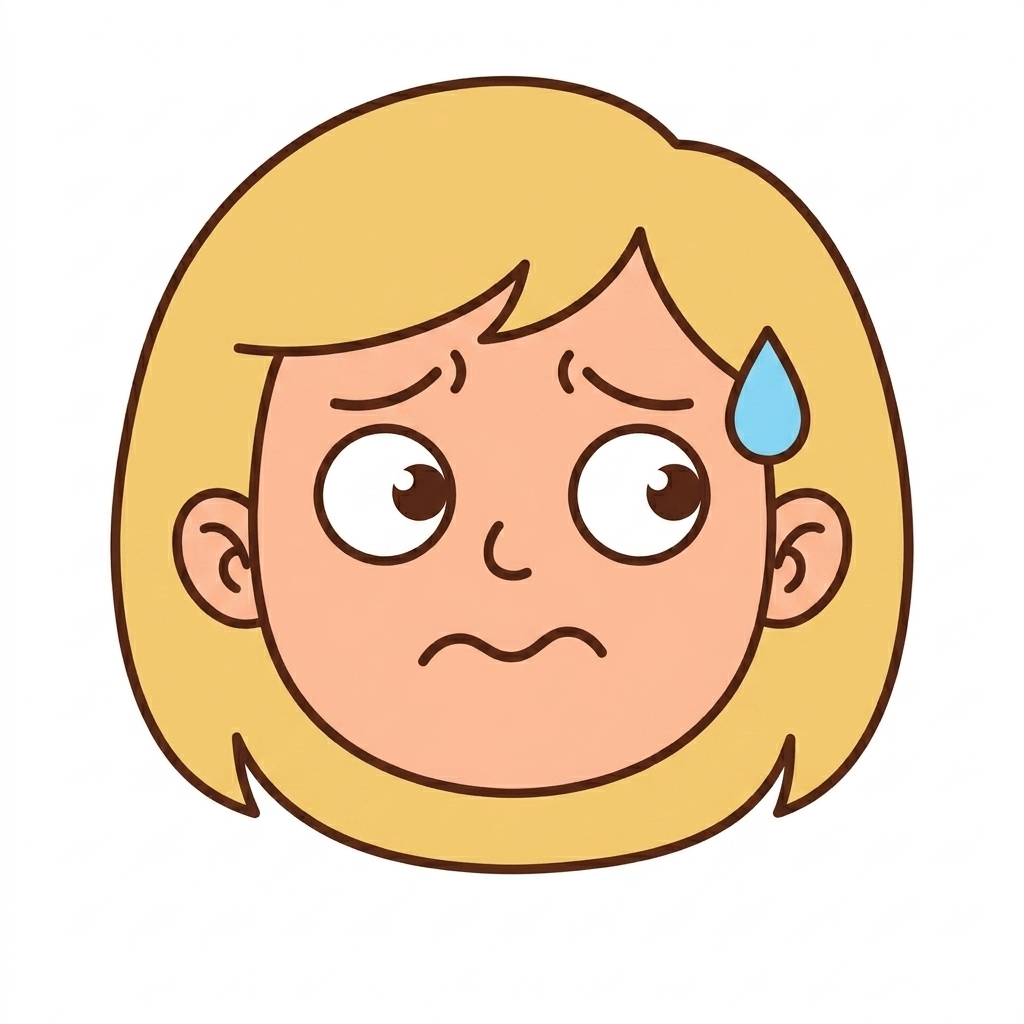
Every Feeling Has a Name
Naming your feelings is the first step to understanding them
👆 Flip a card to learn more!


Did You Know?
Little discoveries from the feelings science lab
Why do kids need words for their feelings?
Because a feeling without a name is just noise.
When something upsets a child and they don't have a word for it, the feeling just sits there — big, buzzing, impossible to explain. That's when the meltdowns happen. That's when the hitting happens. Not because a child is bad, but because they have no map for what's happening inside.
The moment a child learns the word "frustrated," something shifts. Now that heavy, stuck feeling has a shape. They can say it out loud. A grown-up can hear it. And a problem that felt huge suddenly has a path through it.
This is what Social Emotional Learning is really about. Not posters on a classroom wall. Not lessons on being nice. It's giving children the vocabulary to navigate their inner world — the same way we give them letters to read the outer one.
Empathy works the same way. When a child can name their own sadness, they start to recognize it in others. The kid crying alone at recess. The friend who went quiet. Suddenly those signals mean something.
Research consistently shows that children who can identify and express emotions do better — in school, in friendships, in hard moments. Not because their feelings are smaller. But because they have tools.
That's all any of us ever needed. A name. A word. Someone who said: yes, that feeling is real, and it's okay.